The 100 club is a staple of Australian community fundraising, but like any draw-based activity, there are rules you need to follow. The good news is that for most clubs and organisations, a properly structured 100 club is straightforward to run within the rules. Here's what you need to know.
What is a 100 Club?
A 100 club is a recurring number draw where participants each hold a number (typically 1 to 100) and pay a regular fee — usually monthly. At each draw, one number is selected at random and the holder wins a portion of the funds raised, with the rest going to the organising club or group.
The format has been popular in Australian sporting clubs, RSLs, and community organisations for decades. It's simple, social, and generates reliable ongoing income.
Are 100 Clubs Legal in Australia?
Yes — but with conditions. Whether your 100 club requires a permit depends on several factors:
- Your state or territory. Each state has its own gambling and lottery legislation.
- Your organisation type. Registered not-for-profit organisations and incorporated associations often have access to exemptions that unregistered groups do not.
- How the prize money is funded. Member subscriptions that include a draw component are often treated differently from public ticket sales.
- The total prize value. Many states have low-value exemptions below which no permit is required.
Because the rules differ significantly between states, it's important to check the requirements that apply to you. Our raffle compliance guide covers every state and territory in plain language.
Common 100 Club Rules to Follow
Regardless of your state, the following principles apply to running a well-governed 100 club:
Keep clear records. Document who holds each number, what they've paid, and the result of every draw. Good records protect your organisation if questions arise later.
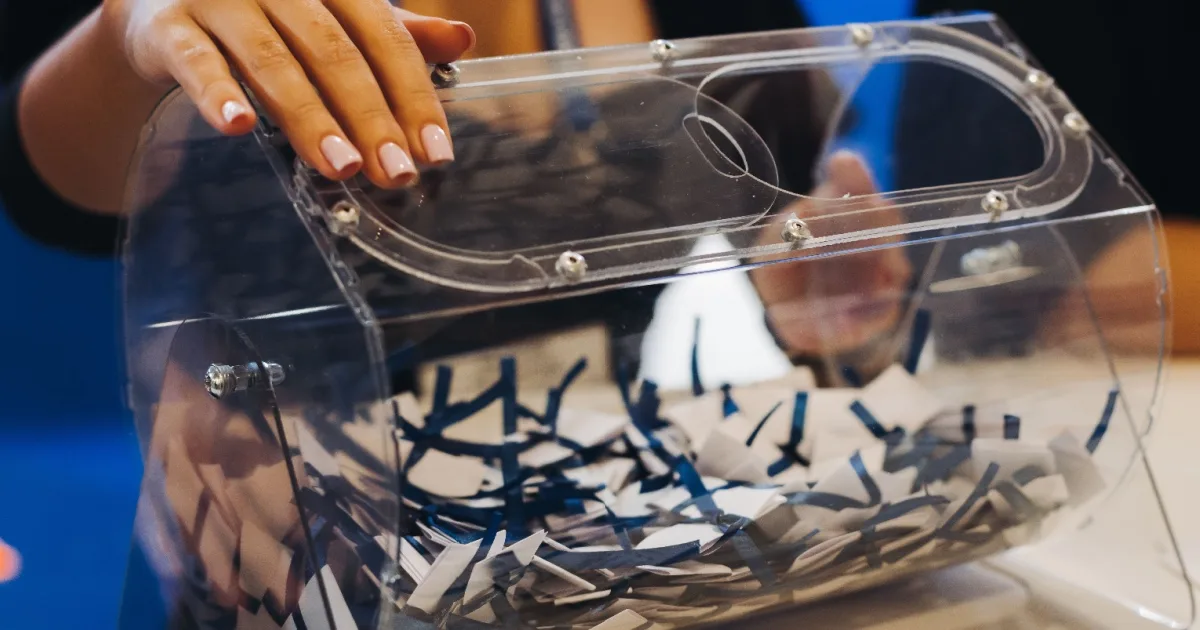
Run a genuine random draw. The draw must be genuinely random. Using numbered balls drawn from a container, a random number generator, or a reputable platform are all accepted approaches. The draw should be witnessed or recorded.
Pay winners promptly. Prompt payment builds trust and keeps participants engaged for the long term.
Be transparent about the split. Participants should know upfront how much of each month's takings goes to the prize and how much goes to the club. The standard split is 50/50, but whatever you choose, make it clear from the start.