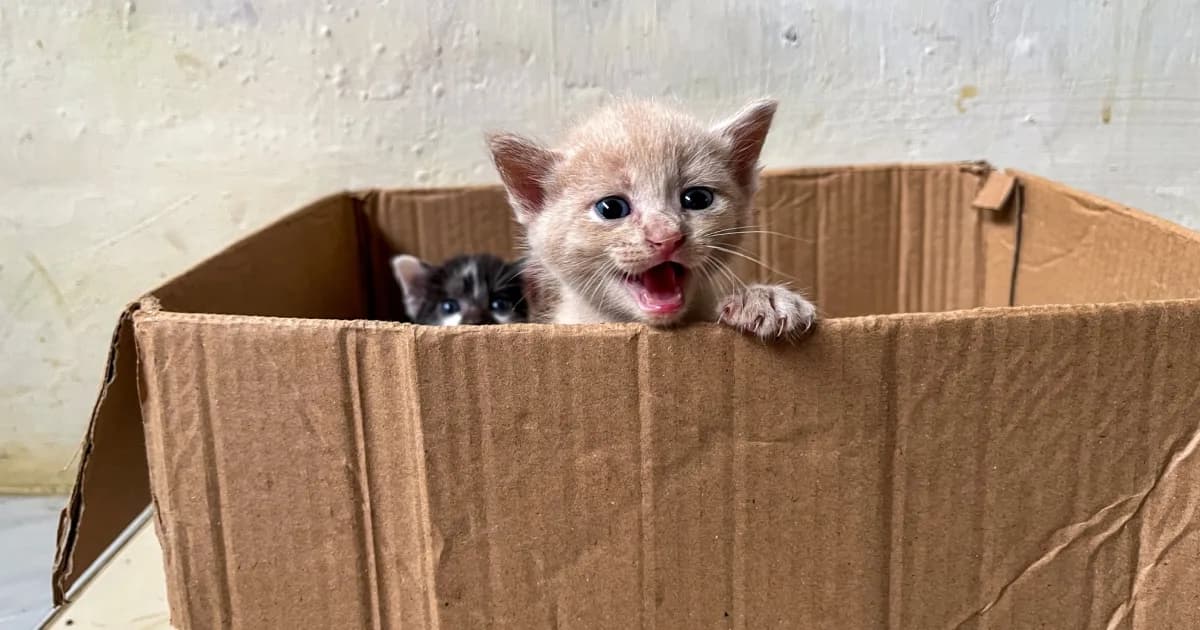
Somewhere in South Australia right now, there is a cat that will not have an unwanted litter because someone cared enough to act. That is the quiet, unglamorous reality of animal rescue work. It happens one animal at a time, driven by volunteers who give their evenings and weekends not for recognition, but because they cannot imagine doing otherwise. Lisa Hayward is one of those people. As the driving force behind Precious Paws Rescue, Lisa has dedicated herself to giving cats a second chance. And recently, she found a smarter way to fund that work.
Precious Paws Rescue became the first animal rescue organisation in Australia to run a fundraiser through Lucky Squares (luckysquares.com.au), an online platform designed to help community groups raise money through a simple, engaging grid format. Their first campaign raised $300 in just over one week, with every dollar going directly towards their cat desexing program.
Why Desexing Matters So Much
For anyone outside the rescue world, it can be easy to underestimate just how much difference a desexing program makes. The numbers tell a sobering story. A single undesexed female cat can be responsible for hundreds of descendants over just a few years when you account for her kittens and their kittens in turn. Multiply that across a community of stray and feral cats and the scale of the problem becomes clear very quickly.
Funding desexing programs is one of the most effective things a rescue organisation can do because it addresses the problem at the source. Here is why it matters so much:
- Preventing unwanted litters by stopping the reproductive cycle before it begins.
- Reducing the number of homeless and stray cats living without shelter, food or veterinary care.
- Easing overcrowding in South Australian animal shelters and rescue organisations that are already stretched thin.
- Reducing the spread of feline diseases that travel quickly through unvaccinated stray populations.
- Minimising nuisance behaviours like yowling, fighting and roaming that come with undesexed cats.
- Protecting South Australia's native wildlife, because stray and feral cats are among the most significant predators of small native animals and birds.
Every cat that is desexed through a program like Precious Paws Rescue's is a ripple effect of good. It is prevention, not just rescue.
The Challenge of Fundraising as a Volunteer
Anyone who has volunteered for an animal rescue knows that the work itself is only part of the picture. There are vet bills to cover, food and supplies to source, foster carers to coordinate and, of course, funds to raise. Traditional fundraising, think sausage sizzles, raffles and bake sales, takes enormous effort to organise. You need volunteers to show up, cash to be handled, and a fair amount of luck with the weather.