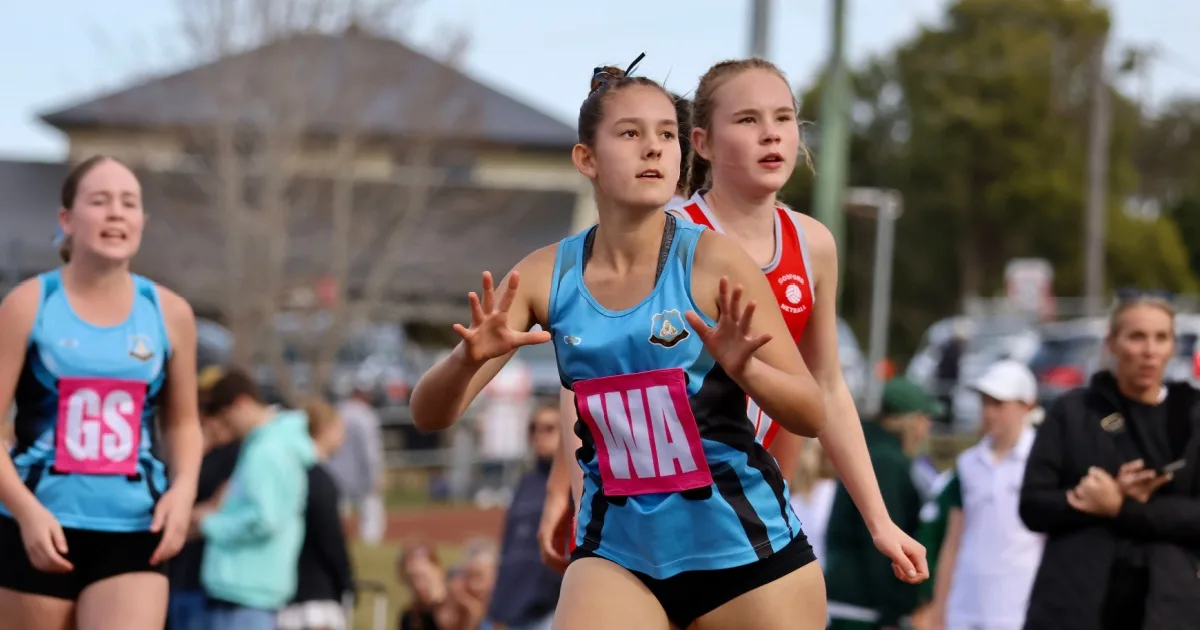
The raffle has been a staple of Australian sporting clubs for generations. Whether it was a tin of tickets at the front gate or envelopes going around the rooms after training, raffles work because the ask is simple: a small amount for a chance at a prize.
But paper-based raffles come with real headaches. Printing costs, cash handling, ticket books going missing, trying to reconcile sales across a dozen volunteers, and the inevitable chaos of draw night. Online raffles have changed all of that. Here is how to run one that actually sells out.
Step 1: Choose your grid size
The format that works best for clubs is the grid-based raffle, also called Lucky Squares or number squares. Instead of numbered tickets, you sell numbered squares on a digital grid. Every supporter can see exactly which squares are taken, which creates a sense of momentum that traditional raffles lack.
Grid sizes typically run from 50 to 200 squares. For most club raffles, 100 squares is the sweet spot. It is achievable without feeling like a stretch, and at $5 per square, you are raising $500 from a single campaign with minimal effort.
Step 2: Set your square price
The price per square is one of the most important decisions you will make. Set it too low and you do not raise much. Set it too high and the grid never fills.
For most Australian sporting clubs, $5 per square hits the right balance. It is an easy yes for supporters, especially when they can see what the money goes towards. For a high-value prize or a special occasion like a club anniversary or finals campaign, $10 per square is reasonable. Prices below $2 rarely generate enough revenue to be worth the effort.
Step 3: Set up your campaign
Lucky Squares Australia lets you build a grid campaign in a few minutes. You set the grid size, the price per square, an optional prize, and a draw date. The platform handles online card payments, real-time square reservations, and sends automated confirmation emails to every buyer. Once your campaign is live, you get a shareable link that works on any device.